For some neurodivergent children and teens who have sensory sensitivities and thrive on routine and predictability, holiday season can be challenging. And for sensory stimulation and unpredictability, Halloween tops the list!
Canadian Certified Counsellor Kathlene Manguiob shares some tips for supporting your child to experience this popular holiday with comfort and confidence!

Halloween can be exciting AND overwhelming. For children with autism, Halloween and the experiences that go with it, may bring a lot of sensory and social input. The sensory experiences can be a lot.
Kids might feel discomfort with:
Costumes (can feel itchy or tight)
Face paint and makeup (can feel heavy and sticky)
Kids may feel overwhelmed by:
Loud decorations and music
Crowded streets
Spontaneous interactions with others
Unfamiliar houses
Flashing lights
Unexpected noises
Frightening, large or bright images
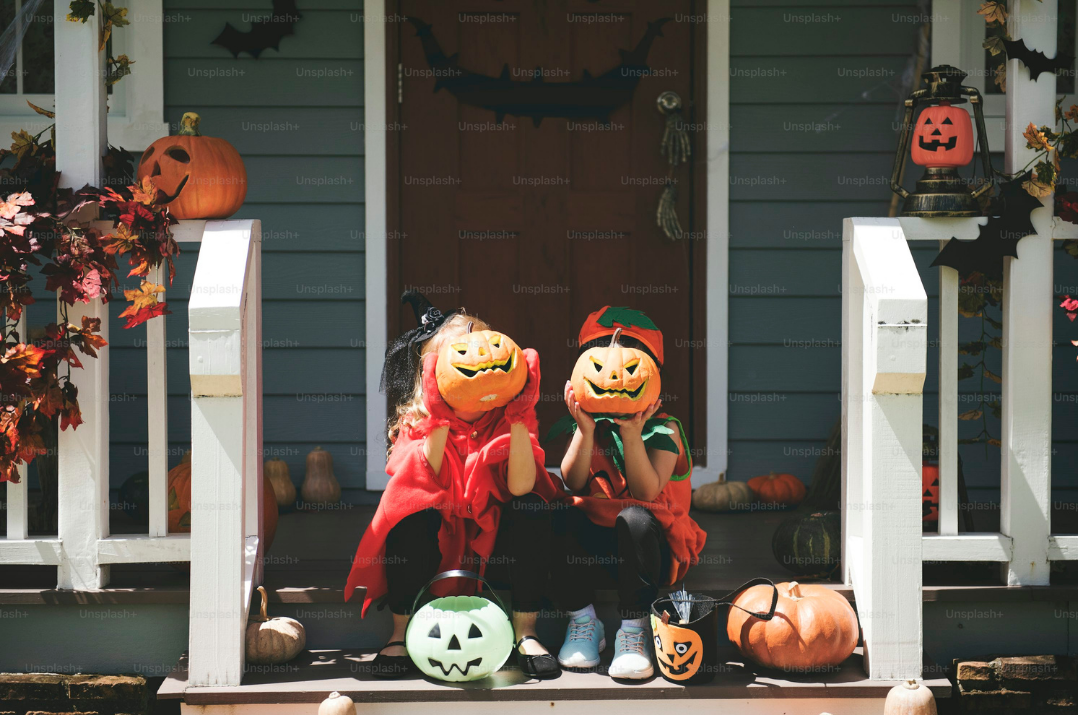
All this together can feel scary, overwhelming, and distressing
Think about your child and their needs. What does your child want from Halloween? Do they look forward to being with their friends? Is the candy a big deal? Or do they just want to participate in the season in a way that is comfortable for them?
Can your child participate in Halloween but maybe not the “traditional” way?
Your child might:
Wear regular clothes instead of a costume
Wear a part of the costume only
Trick or treat during a quieter time
Trick or treat at a planned indoor sensory-friendly event
Trick or treat at a local shopping mall
Stay home and:
Hand out the treats
Do a Halloween activity
Watch a comfortable Halloween movie
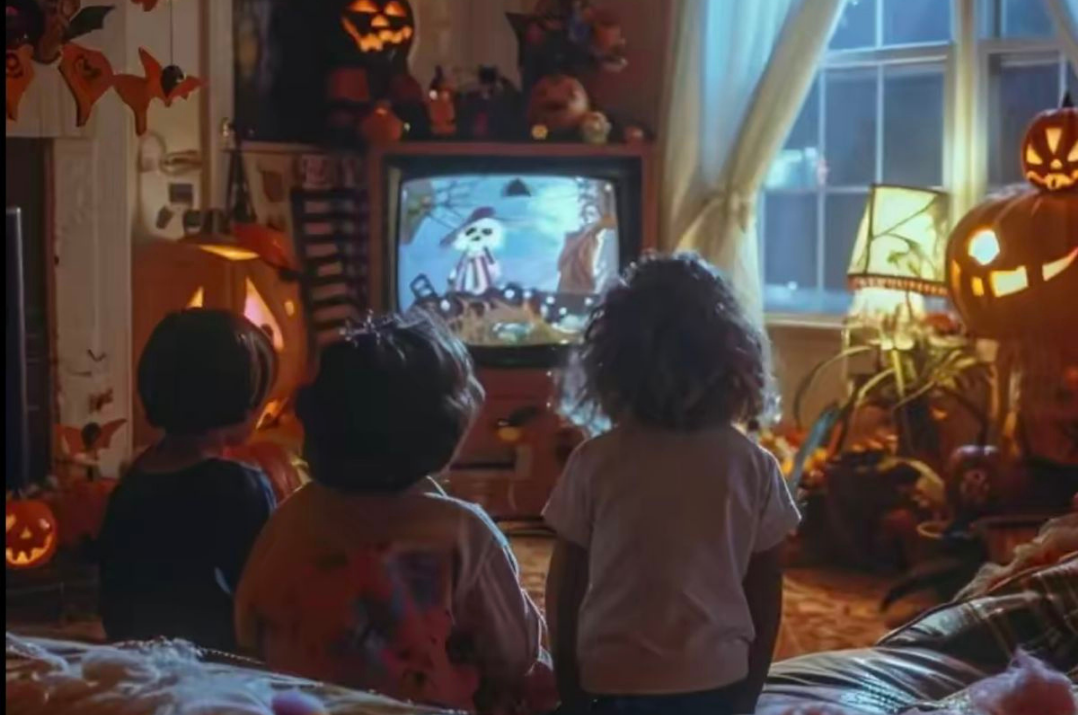
How you can support their regulation before expecting participation.
Prepare your child for what to expect (e.g., try creating a social story!)
Bring headphones your child can rely on if needed
Plan breaks from parties or trick-or-treating
Offering choices
Do a “dry run” of Halloween to support predictability!!
Enlist a few of your neighbours to help you and your child “practice” what trick-or-treating will feel like when the streets are quiet, and the sounds are minimal.
It can be a good idea to get a comfort level with the costume before the big day too!
Halloween community resources.
Do a search for sensory-friendly Halloween Events in your area. You might find a variety of fun and comfortable events you and your child can explore and participate in. Do your research and find the one that’s right for you!

The goal isn’t “getting through Halloween.” The goal is to help your child experience Halloween in a way that feels safe, predictable, accessible, and enjoyable for them. And remember that opting out of Halloween is totally okay too, if it is really not for your child!
Reach out to our clinic via email if you’d like some ideas, or some help with the process of supporting your child through holiday seasons or other challenging times!